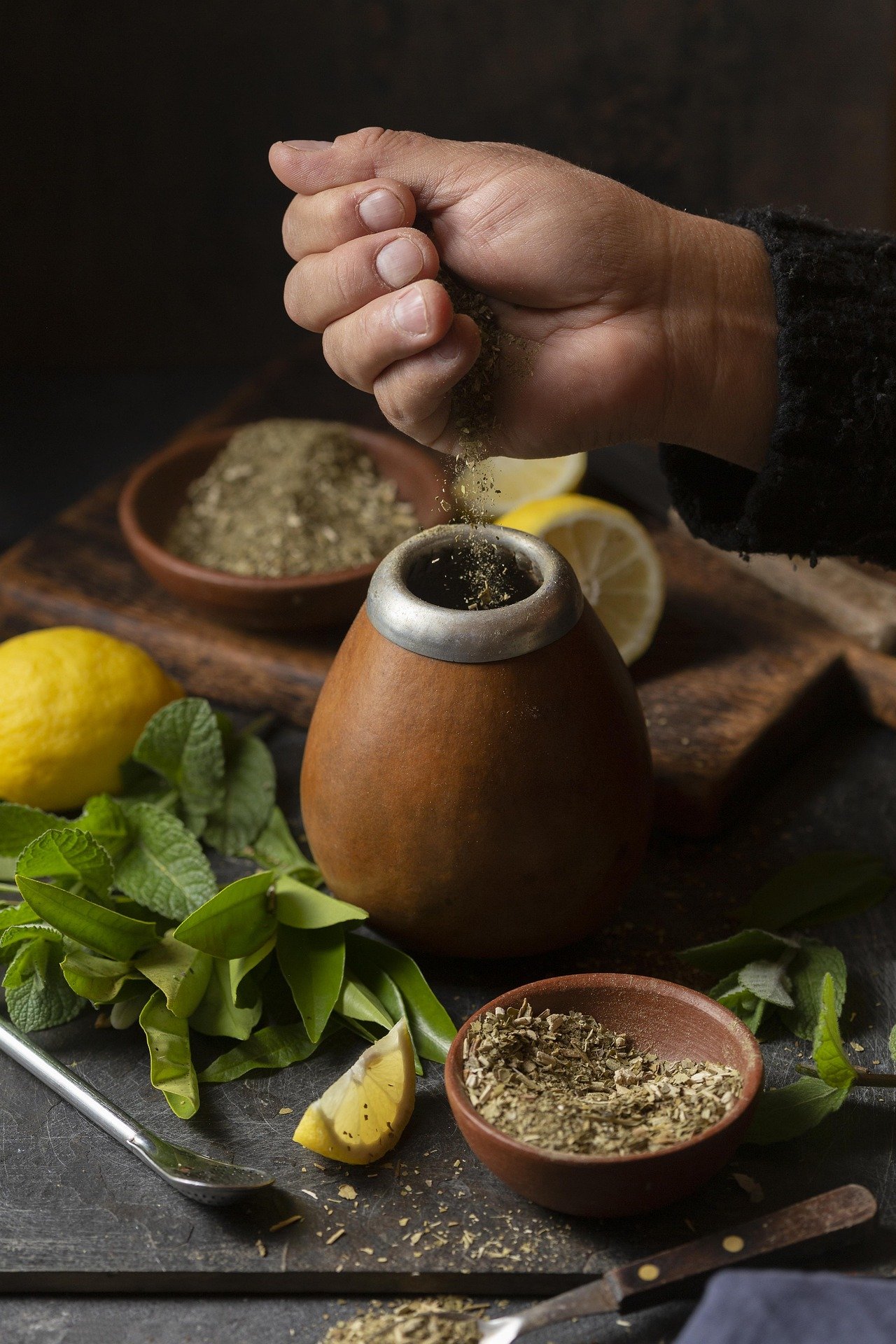
Fenugreek is an incredibly versatile and ancient herb, revered for its diverse medicinal and culinary properties. This herb, scientifically known as Trigonella foenum-graecum, has been an integral part of traditional medicine for centuries, particularly in Ayurvedic and Chinese practices. Its small, golden-brown seeds are packed with nutrients and possess a distinct, slightly bitter flavor that adds depth to various dishes. Beyond its culinary uses, fenugreek has gained significant attention for its potential health benefits. From aiding in diabetes management and promoting weight loss to supporting digestive health and enhancing lactation, fenugreek offers a myriad of advantages. As more people turn towards natural remedies and holistic health approaches, fenugreek stands out as a powerful herb worth incorporating into daily routines. However, like any supplement or dietary addition, it’s essential to understand how to use it effectively and be aware of who might need to avoid it.
Health Benefits
Diabetes Management: Fenugreek seeds contain soluble fiber that helps manage blood sugar levels by slowing carbohydrate absorption. The amino acid 4-hydroxyisoleucine may enhance insulin secretion and improve insulin sensitivity.
Weight Loss: Fenugreek can aid weight loss by suppressing appetite and increasing fullness. The fiber in the seeds promotes satiety, reducing overall calorie intake.
Digestive Health: Fenugreek improves digestion and relieves constipation. The fiber aids in bowel regularity and promotes a healthy gut.
Lactation Support: Traditionally used to enhance breast milk production in nursing mothers, fenugreek acts as a galactagogue.
Cholesterol Control: Saponins in fenugreek help reduce cholesterol levels by decreasing absorption in the intestines and increasing bile production.
How and When to Consume
Seeds: Soak overnight and consume in the morning, or grind into a powder and add to foods or smoothies.
Leaves: Use fresh leaves in salads, curries, or as a garnish. Dried leaves, known as “kasuri methi,” add flavor to dishes.
Tea: Make fenugreek tea by steeping a teaspoon of seeds in hot water for a few minutes, once or twice a day.
Supplements: Fenugreek supplements are available in capsule or tablet form. Consult a healthcare professional before starting any supplement regimen.
Who Can Take Fenugreek
– Individuals with diabetes
– People looking to lose weight
– Nursing mothers
– Individuals with high cholesterol
– Those with digestive issues
Who Should Avoid Fenugreek
– Pregnant women (unless recommended by a healthcare provider)
– Individuals with allergies to legumes
– People on blood-thinning medications
– Children (consult a pediatrician before use)
Fenugreek is a powerful herb with numerous health benefits. Use it wisely and consult a healthcare professional if you have any underlying health conditions or are on medication.
Disclaimer: The information provided in this content is for informational purposes only and should not be considered medical advice. Always consult a healthcare professional before making any changes to your diet or health regimen.